Piano Movers in Broomfield, CO
Pianos are heavy, delicate and awkward. We plan every piano move around the instrument, the stairs and the doorways.
Moving a Piano Takes Planning
A piano is one of the heaviest and most delicate items in most homes. It carries its weight unevenly, has a finish that scratches easily, and has thousands of internal parts. Moving one safely takes planning, the right crew size and careful handling.
What This Piano Movers Guide Covers
- Moving a Piano Takes Planning
- 10 Essential Tips From Our Piano Movers
- Upright Pianos vs. Grand Pianos: How Piano Movers Handle Each
- How Our Piano Movers Protect Your Piano and Home
- Pianos and Stairs: What to Expect
- Caring for Your Piano in Colorado After the Move
- Moving a Piano Into Storage
- Where Our Piano Movers Work
- What We Need to Know
- How We Protect Your Piano and Home
- What Affects the Cost of Piano Movers
- Piano Moves for Churches, Schools and Studios
- Why Choose Our Broomfield Piano Movers
- Preparing Your Home for Piano Movers
- A Note on Sentimental Pianos
- Frequently Asked Questions
What We Need to Know
- The type of piano (for example, upright, console, spinet or grand)
- The approximate size and, if known, the make and model
- Stairs, steps or tight turns at both locations
- Doorway widths and the path from the room to the truck
- Where the piano will go in the new home
With those details, we can tell you whether we can handle your piano move and what it will involve before moving day. Please include this information when you request a quote.
Photos of the instrument and the complete path at both locations are especially helpful. Show stairs, landings, tight turns, exterior steps and where a truck could park. For a grand piano, tell us whether its legs or pedals have been removed before; do not attempt disassembly just for a quote. We will discuss the handling plan and confirm whether the move is feasible for our crew before booking. If the piano is part of a larger home move, see residential moving.
How We Protect Your Piano and Home
We pad and wrap the piano to protect its finish, protect floors and door frames along the path, and secure the piano in the truck so it does not shift in transit.
Moving other heavy items too? See heavy item moving.
10 Essential Tips From Our Piano Movers
A piano is heavy, delicate and often full of family memories. These ten tips from our piano movers in Broomfield help protect the instrument, your home and everyone involved.
- Never move a piano yourself. Uprights can weigh several hundred pounds and grands much more. Most piano damage and many moving injuries happen during do-it-yourself moves.
- Know your piano type. Tell us whether it is a spinet, console, studio upright, full upright, baby grand or grand. Each needs a different crew and method.
- Measure the path. Measure doorways, hallways, stair width and turns at both homes.
- Count the steps. Tell us how many steps there are at each address, including porch and entry steps.
- Close and lock the lid. Close the fallboard and top lid, and lock them if your piano has a key.
- Remove items from the piano. Photos, lamps, sheet music and decorations should be packed separately.
- Plan the new spot. Choose an inside wall, away from heat vents, fireplaces, exterior doors and direct sun.
- Protect the floors. Our piano movers lay floor protection along the path, but let us know about delicate floors in advance.
- Wait before tuning. Give the piano a few weeks to settle into its new room before scheduling a tuning.
- Book early. Piano moves need the right crew and equipment on the same day, so earlier booking gives you more options.
Upright Pianos vs. Grand Pianos: How Piano Movers Handle Each
The type of piano changes how our piano movers plan the move.
Spinet and console pianos are the smallest uprights. They are still heavy and top-heavy, and they are moved upright on a padded dolly with straps.
Studio and full-size uprights are taller and heavier. They need more movers, careful balance and extra care on stairs.
Baby grand and grand pianos are moved on their side on a piano board, also called a skid. The legs and pedal lyre are removed, the lid is secured, and the piano is padded and strapped to the board. At the new home, the process is reversed and the legs are reattached.
Digital pianos and keyboards are lighter, but they are electronic instruments and still need padding and careful handling.
Telling us the make, model and size helps our piano movers bring the right equipment and the right number of people.
How Our Piano Movers Protect Your Piano and Home
Our piano movers use a step-by-step process on every piano move.
- Walkthrough. The crew checks the path, stairs, doorways and the truck position before touching the piano.
- Floor and door protection. Runners and padding protect floors, door frames and railings.
- Padding and wrapping. The piano is wrapped in thick pads and secured with straps so the finish, keys and pedals are protected.
- The right equipment. Piano dollies, piano boards and heavy-duty straps are used to move the piano safely.
- Controlled stairs. On stairs, the crew moves one step at a time with people above and below the piano.
- Secure transport. The piano is strapped to the truck wall so it cannot shift during the drive.
- Careful placement. At the new home, the piano is set in the spot you choose, legs are reattached for grands, and the pads are removed.
Pianos and Stairs: What to Expect
Stairs are the biggest challenge in piano moving. Many homes in Broomfield have entry steps, split levels or a basement, so our piano movers plan carefully for each one.
Entry steps. Even a few porch steps need a plan. We may use a ramp or carry the piano with extra movers.
Interior staircases. Pianos are moved one step at a time, controlled by movers above and below. Tight turns and landings are measured in advance.
Basements. Moving a piano into or out of a basement often needs extra people. Let us know about basement moves during your quote.
Spiral and very narrow stairs. Some stairways are too tight for a piano. We check before the move and tell you honestly if there is a better option.
Always tell us about stairs, including the number of steps and any turns, when you request a quote. It is the most important detail for a safe piano move.
Caring for Your Piano in Colorado After the Move
Colorado's climate is hard on pianos. The air along the Front Range is dry, and temperatures can change quickly. After our piano movers set your piano in place, a few steps help it stay healthy.
Choose the right location. Keep the piano on an inside wall, away from heating vents, radiators, fireplaces and sunny windows.
Control humidity. Very dry air can crack soundboards and loosen tuning pins. Many piano owners in Colorado use a room humidifier or an in-piano humidity control system.
Let it settle. Wait two to four weeks after the move before tuning, so the piano adjusts to the new room.
Schedule a tuning. A qualified piano technician can tune and check the piano once it has settled.
Keep it covered when not in use. Closing the lid and fallboard helps keep dust out.
Moving a Piano Into Storage
Sometimes a piano needs to wait in storage during a remodel, a home sale or a longer move. Our piano movers can move your piano into and out of storage.
Choose climate control. A piano should only be stored in a climate-controlled unit. Heat, cold and humidity swings in a standard unit can damage it.
Keep it upright. Upright pianos are stored standing, and grands are usually stored on their piano board or reassembled if space allows.
Cover it properly. Use breathable covers, not plastic, which can trap moisture.
Keep it off concrete walls. Leave space between the piano and the unit walls, and raise it off the floor if possible.
When the piano comes out of storage, give it time to settle before tuning.
Where Our Piano Movers Work
Our piano movers serve Broomfield and nearby communities, including Anthem, Broadlands, Arista, Interlocken, Old Broomfield and Westlake, as well as Westminster, Thornton, Superior, Louisville, Lafayette, Erie, Arvada, Boulder and Denver.
We also move pianos for churches, schools and studios. Piano moves can be booked on their own or as part of a full home move with our residential movers. For other heavy pieces, see our heavy item movers.
What Affects the Cost of Piano Movers
Every piano move is quoted on its own details. These are the factors our piano movers look at.
Type and size of piano. A spinet is quicker and needs fewer people than a full upright or a grand. Grand pianos need disassembly and a piano board.
Stairs. The number of steps, the width of the stairway and any turns or landings are the biggest factors in time and crew size.
Distance from the truck. Long walks, narrow side yards and gravel or grass paths add time and may need extra equipment.
Distance between homes. A move within Broomfield is quicker than a move across the Denver metro.
Timing. Weekend dates and busy summer months fill quickly.
Combined moves. Moving the piano as part of a full home move is often more efficient than booking it separately, because the crew and truck are already there.
Share the piano type, photos of the path and the number of steps at both addresses when you request a quote, and our piano movers will give you a clear price.
Piano Moves for Churches, Schools and Studios
Pianos in public spaces often need to move for events, renovations or new locations. Our piano movers work with churches, schools, dance studios and music teachers around Broomfield.
Scheduling around events. We can move pianos before services, concerts or recitals, and bring them back afterward.
Stages and risers. Moving a piano on or off a stage needs a safe ramp or lift and careful coordination. Tell us about stage access in advance.
Room changes within a building. Moving a piano between rooms, floors or buildings on a campus is planned the same way as a home move.
Protecting shared spaces. We protect gym floors, sanctuary carpets and hallways in public buildings.
Contact us early for event-related piano moves, since dates are often fixed and cannot move.
Why Choose Our Broomfield Piano Movers
Broomfield Movers and Packers treats every piano as the valuable instrument it is. Our piano movers plan carefully and move slowly.
- Walkthrough and path check before every piano move
- Piano dollies, boards, straps and thick padding
- Floor, door and railing protection at both homes
- Crews sized to the piano and the stairs
- Careful placement in the spot you choose
- A real person at (720) 998-8843
Request a free quote and tell us about your piano and your stairs. Our piano movers will build a safe plan for your instrument.
Preparing Your Home for Piano Movers
A few steps before our piano movers arrive make the move safer and faster.
Clear the path. Move rugs, furniture, plants and decor out of the way from the piano to the front door, and from the door to the new spot at the new home.
Measure the new space. Make sure the piano fits in the new room, with space for the bench and for the lid to open on a grand.
Clear the driveway. Leave room for the truck close to the entrance, and clear snow and ice in winter.
Keep pets and children away. A piano in motion is heavy and hard to stop, so keep the path clear of people who are not part of the crew.
Protect special floors. Tell us about delicate hardwood, stone or newly finished floors so we can bring extra protection.
Remove the bench contents. Sheet music and books inside the bench should be packed separately, and the bench is moved on its own.
Think about the room. Pianos sound best and last longer on an inside wall, away from heat vents and direct sun. Choose the spot before moving day so the piano only needs to be placed once.
With the path clear and the plan set, most piano moves are finished quickly and safely.
A Note on Sentimental Pianos
Many pianos have been in a family for generations, and the instrument carries memories that no insurance claim can replace. Our piano movers understand that. We take time to hear the history of the piano, note any existing wear or repairs before the move, and handle older instruments with extra padding and slower, more careful movement. If a piano has loose legs, a cracked lid or other fragile areas, tell us during the quote so we can plan around them. After the move, a qualified technician can check older pianos for any adjustments needed after years in one place.
Frequently Asked Questions
Can you move a piano up or down stairs?
Stairs are common in piano moves. Tell us how many steps and any turns at both locations so we can plan and confirm the job.
Do you move grand pianos?
Tell us the type and size of your piano when you request a quote. We will confirm whether we can move it and how.
Will my piano need tuning after the move?
Often, yes. Moving and climate changes can affect tuning, so many owners have their piano tuned after it settles in.
What information is needed for a piano quote?
Share the piano type, approximate dimensions, both addresses and photos of the instrument and moving route. Include stairs, turns and parking access.
How can I identify the type of piano?
Tell us whether it is an upright, console, spinet or grand. If you are unsure, a full photo and the make and model can help us assess it.
Should I remove piano legs or pedals myself?
Do not disassemble the instrument just to request a quote. Tell us its type and condition; we will discuss any handling requirements before booking.
Can a piano be moved to another room in the same home?
Describe the starting and ending rooms, flooring, stairs and door widths. We can review whether the route and crew are suitable for the job.
What should I do with the bench and accessories?
Empty the bench and secure loose items such as books and covers separately. Let us know about matching benches or other pieces in the quote request.
What if the piano has narrow stairs or sharp turns?
Provide photos and measurements of the tightest points. Access determines whether the move is feasible and what handling plan is needed.
Are photos enough to confirm a piano move?
Photos help show the instrument and route, but measurements of narrow doors, turns and stairs may also be needed. Give us the access details before treating the move as confirmed.
How many piano movers are needed for an upright piano?
Most upright pianos need at least two to three trained piano movers, and more when there are stairs. Grand pianos usually need more. We confirm the crew size in your quote.
Should I tune my piano right after the move?
No. Wait two to four weeks after the move so the piano can adjust to the new room, then schedule a tuning with a qualified piano technician.
Need a Piano Moved in Broomfield?
Tell us about your piano and both locations. Call (720) 998-8843 or request a free quote.
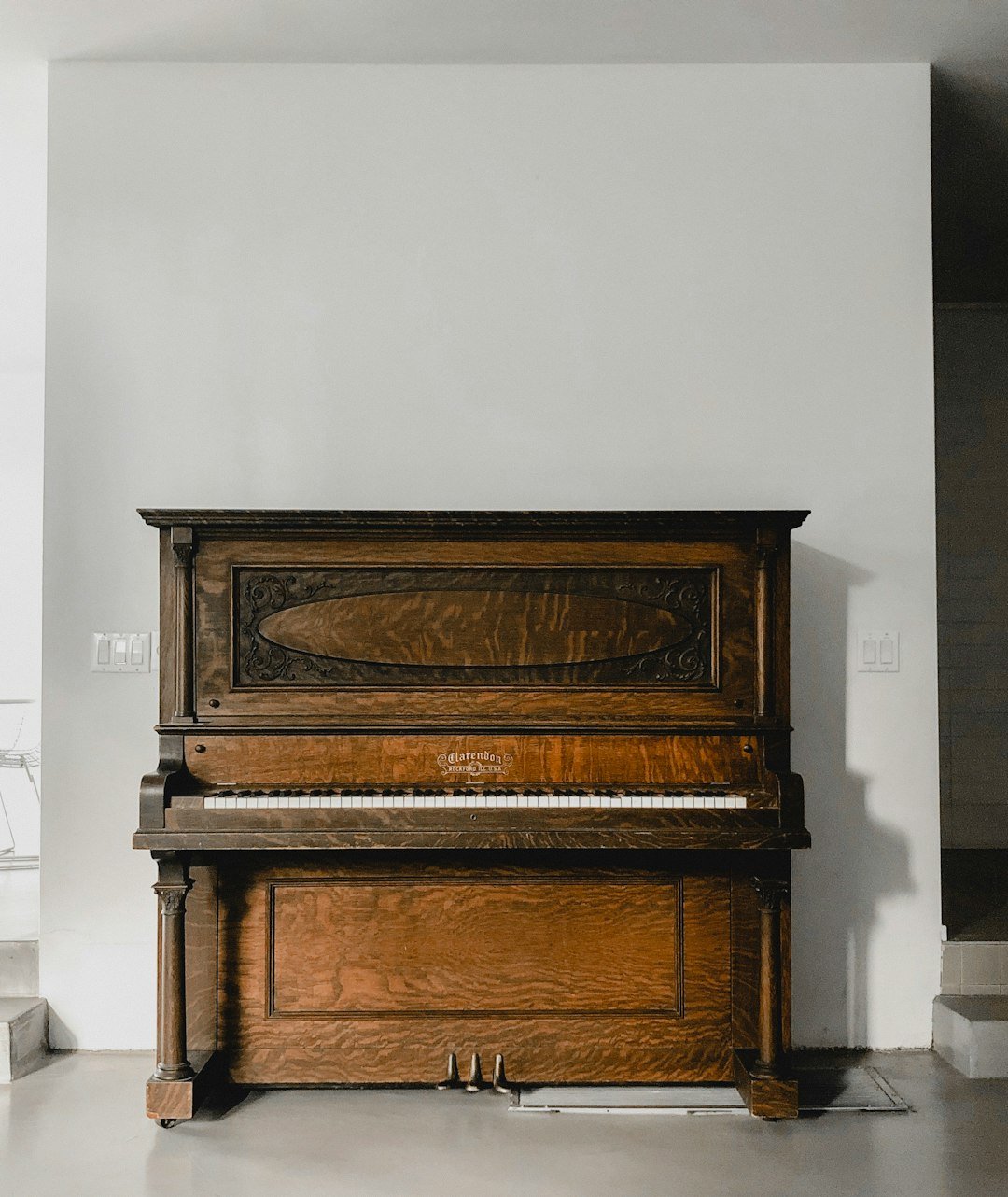 Piano Movers Broomfield
 Piano Movers Broomfield
 Piano Movers Broomfield